
Cardiology Revenue Cycle Management: An Ultimate Guide
Cardiology revenue cycle management (RCM) covers every financial step from patient scheduling to final reimbursement. This guide explains how cardiology practices can reduce claim denials, streamline billing, and use modern technology like AI to improve cash flow and financial stability.

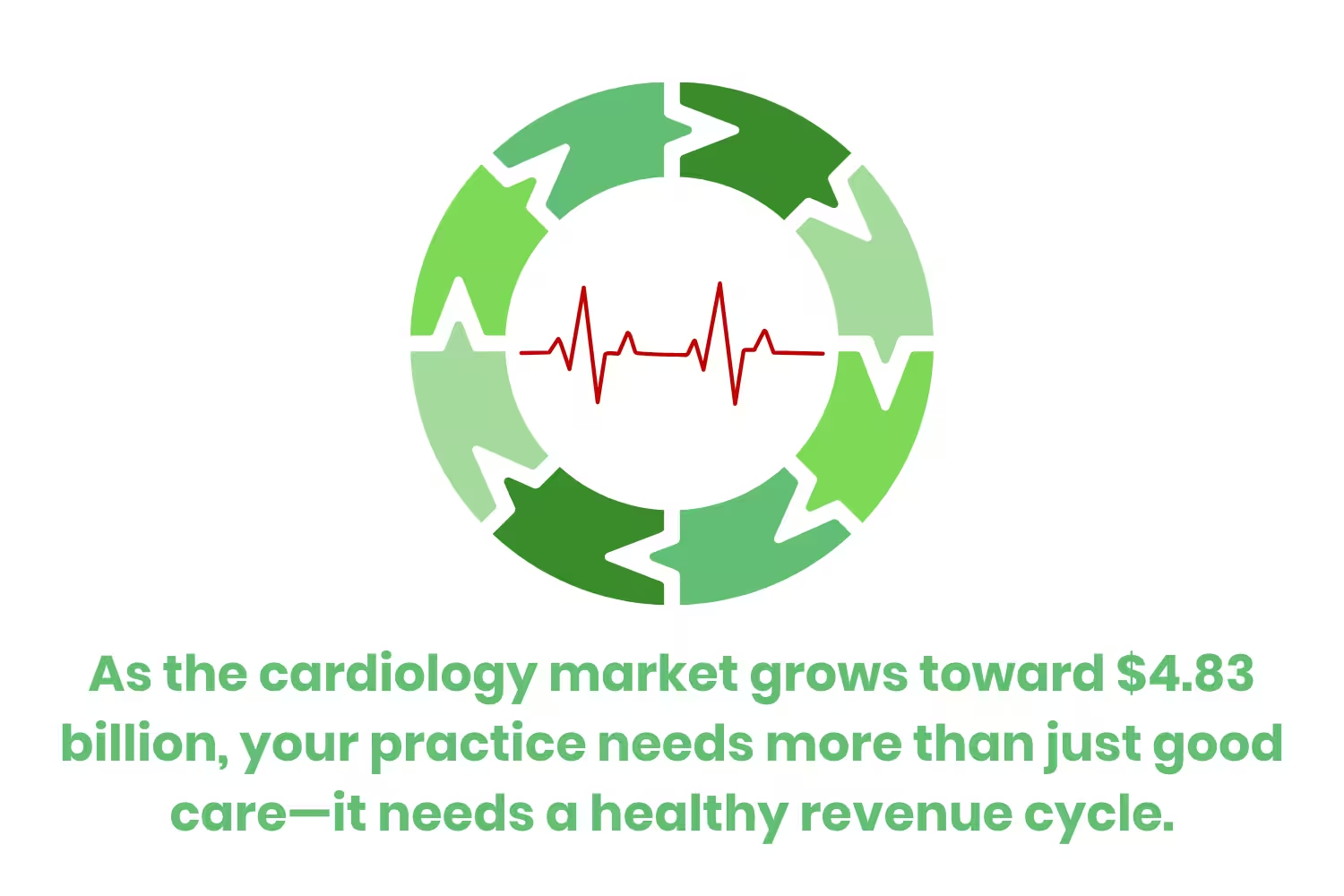
In 2024, estimates showed that the global cardiology market size was 3.16 billion. Experts expect this number to reach USD 4.83 billion by 2033. The need for cardiologists, to put it plainly, is not going away. So cardiology practices need to offer more than just giving good patient care.
This growth means learning to effectively manage your cardiology revenue cycle is key. Cardiology revenue cycle management (RCM) helps your practice stay financially healthy. It also makes billing easier and reduces lost revenue opportunities.
This guide goes over how RCM for cardiology works and common cardiology billing problems. As well as what the future might hold for this industry. Let's get into it!
What Is Revenue Cycle Management in Cardiology?
Revenue cycle management (RCM) includes all steps from when a patient books an appointment to when the practice gets full payment. The cycle starts with patient registration. It includes billing, coding, prior authorization, claim submission, and accounts receivable management.
Good cardiology RCM ensures that items like Current Procedural Terminology (CPT) codes are correct. As well as prioritizes claims submitted quickly, reduces denials, and improves cash flow. A solid RCM process helps stabilize your practice revenue and meet regulatory standards.
Practices spend less time on paperwork. Staff have more time for patients. The practice earns more and runs smoother.
Why Cardiology Practices Struggle With Revenue Cycle Management
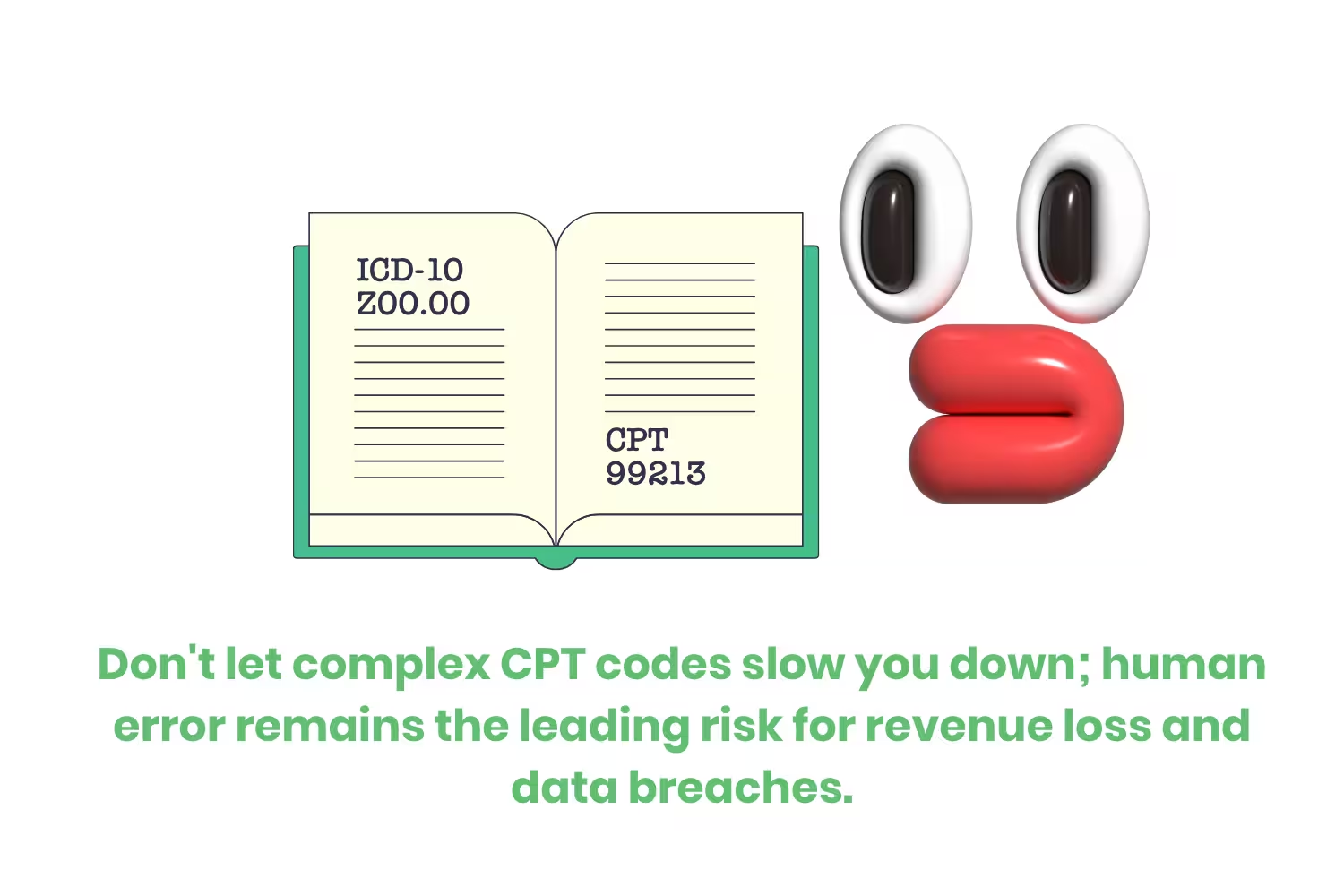
Cardiology RCM is tricky, because there are so many CPT codes associated with it. Cardiology coding and billing rules also change often. If teams don't keep up with these updates, you can face a higher rate of denied claims.
Handling these denied claims manually means taking up staff time. Without an automated process, you risk your company's compliance standards too. Human error continues to be the number one risk factor when it comes to data breaches.
All of these problems can cause lost revenue, slow cash flow, and missed revenue opportunities. Even top cardiology groups struggle without proper RCM solutions.
How Cardiology Revenue Cycle Management Solutions Help
RCM solutions for cardiology make billing, denials, and prior authorization easier. They give a full view of the revenue cycle and help practices in many different ways. For example, they help find lost revenue opportunities and track denials.
They also assist in automating claims and accounts receivable processes. Making billing staff and coders faster and more efficient. All while keeping them compliant as they do their jobs.
Advanced RCM platforms connect to EHR and billing software. Dashboards show practice revenue in real time. Practices can make data-driven decisions to improve the bottom line.
How AI and Automation Improve Cardiology Billing
Many cardiology RCM systems now use Artificial intelligence (AI). They make billing faster and more accurate. AI and automation can help companies find coding and billing mistakes before your team sends them to the payer. Saving time and taking the manual labor out of tedious administrative work.
Many AI tools offer helpful dashboards that show where you are losing revenue. This is often coupled with predictive tools, too. Helping spot claim denial management and prior authorization issues that might be reoccurring. Reducing your team's administrative burdens and helping you become more proactive in your RCM approach.
Using AI and automation allows practices to better streamline billing. It also supports and protects financial health all while following regulations.
Best Practices for Cardiology RCM
When it comes to running practices, from a billing stance there are a few best practices to follow. The first is instilling the same coding and billing rules across the practice. Regular employee training is essential in any specialty practice. Especially with cardiology billing, which is so dense with information.
Other key factors to a strong RCM process include:
- Automate repetitive tasks to avoid mistakes and free staff for important work.
- Track key metrics like denial rates, CPT code accuracy, and accounts receivable days.
- Use data to find lost revenue opportunities.
- Follow regulatory and payer rules.
Doing these things leads to better claims and an easier time collecting reimbursement. Paving the way for your company to better optimize their processes. Leading to a stronger financial performance.
Why Working With a Partner Can Help
Many practices opt to seek the expertise of a third-party provider. These services come hand in hand with your own RCM partner. Partners bring experience in complex billing and denial management. They also help you automate workflows wherever possible.
Dashboards found in these services' portals give your team something to work off of. With actionable insights, RCM companies offer faster reimbursement collection and smoother cash flow. Working with a partner reduces staff workload, letting them focus on what's important. Less time managing billing emergencies means more time spent on patient care.
Whether your practice is a top cardiology group or a smaller clinic, partnering helps your RCM run smoothly.
Measuring Success in Cardiology Revenue Cycle Management
Measuring the success of your healthcare revenue cycle process doesn't have to be a guessing game. You can track your progress by looking for several clear signs of improvement. One of the most important indicators is seeing lower denial rates. This happens when your team catches errors before sending them out. As a result, your office will enjoy faster reimbursement. Meaning you get paid much sooner for the work you do.

Efficiency also shows up in your financial reports. You should see better accounts receivable, which means less money is sitting uncollected for long periods. You will also notice fewer lost revenue opportunities, because your billing process is tighter and more accurate. These improvements lead directly to a higher revenue per physician. Helping the practice stay profitable and stable.
Finally, a strong RCM system creates a more productive staff. When the workflow is smooth, your team spends less time fixing mistakes and more time on important tasks. Tracking these specific numbers helps your practice improve its billing process. It also ensures you stay compliant with rules while growing your long-term financial health.
Final Thoughts on RCM For Cardiology Medical Billing
Cardiology revenue cycle management is essential for every modern practice. In this field, every small detail matters. Each step of the process affects your total payment and cash flow. This starts with accurate coding and goes all the way to denial management and automation. If one part of the chain breaks, your practice revenue can suffer.
Modern technology can make a massive difference in your daily operations. By using AI-powered RCM, your office can stay ahead of complex billing rules. Following industry best practices ensures that you aren't leaving money on the table. When you choose to be working with a partner, your team can finally reduce lost revenue. This allows doctors and nurses to spend less time on paperwork and focus more on patients.

At the end of the day, a medical practice is about people, not just spreadsheets. Data-driven cardiology RCM is not just a cold business process. It is the key to stronger financial performance and long-term success. We have seen firsthand how much stress a failing billing system puts on a team.
When you partner with a reputable RCM service, that weight gets lifted. Imagine a clinic where the staff feels confident and the finances are predictable. Our goal is to handle the complex numbers so you can handle the heart health of your community. Let us turn your billing challenges into a smooth, reliable engine for growth.
Emphasize your product's unique features or benefits to differentiate it from competitors
In nec dictum adipiscing pharetra enim etiam scelerisque dolor purus ipsum egestas cursus vulputate arcu egestas ut eu sed mollis consectetur mattis pharetra curabitur et maecenas in mattis fames consectetur ipsum quis risus mauris aliquam ornare nisl purus at ipsum nulla accumsan consectetur vestibulum suspendisse aliquam condimentum scelerisque lacinia pellentesque vestibulum condimentum turpis ligula pharetra dictum sapien facilisis sapien at sagittis et cursus congue.
- Pharetra curabitur et maecenas in mattis fames consectetur ipsum quis risus.
- Justo urna nisi auctor consequat consectetur dolor lectus blandit.
- Eget egestas volutpat lacinia vestibulum vitae mattis hendrerit.
- Ornare elit odio tellus orci bibendum dictum id sem congue enim amet diam.
Incorporate statistics or specific numbers to highlight the effectiveness or popularity of your offering
Convallis pellentesque ullamcorper sapien sed tristique fermentum proin amet quam tincidunt feugiat vitae neque quisque odio ut pellentesque ac mauris eget lectus. Pretium arcu turpis lacus sapien sit at eu sapien duis magna nunc nibh nam non ut nibh ultrices ultrices elementum egestas enim nisl sed cursus pellentesque sit dignissim enim euismod sit et convallis sed pelis viverra quam at nisl sit pharetra enim nisl nec vestibulum posuere in volutpat sed blandit neque risus.
Use time-sensitive language to encourage immediate action, such as "Limited Time Offer
Feugiat vitae neque quisque odio ut pellentesque ac mauris eget lectus. Pretium arcu turpis lacus sapien sit at eu sapien duis magna nunc nibh nam non ut nibh ultrices ultrices elementum egestas enim nisl sed cursus pellentesque sit dignissim enim euismod sit et convallis sed pelis viverra quam at nisl sit pharetra enim nisl nec vestibulum posuere in volutpat sed blandit neque risus.
- Pharetra curabitur et maecenas in mattis fames consectetur ipsum quis risus.
- Justo urna nisi auctor consequat consectetur dolor lectus blandit.
- Eget egestas volutpat lacinia vestibulum vitae mattis hendrerit.
- Ornare elit odio tellus orci bibendum dictum id sem congue enim amet diam.
Address customer pain points directly by showing how your product solves their problems
Feugiat vitae neque quisque odio ut pellentesque ac mauris eget lectus. Pretium arcu turpis lacus sapien sit at eu sapien duis magna nunc nibh nam non ut nibh ultrices ultrices elementum egestas enim nisl sed cursus pellentesque sit dignissim enim euismod sit et convallis sed pelis viverra quam at nisl sit pharetra enim nisl nec vestibulum posuere in volutpat sed blandit neque risus.
Vel etiam vel amet aenean eget in habitasse nunc duis tellus sem turpis risus aliquam ac volutpat tellus eu faucibus ullamcorper.
Tailor titles to your ideal customer segment using phrases like "Designed for Busy Professionals
Sed pretium id nibh id sit felis vitae volutpat volutpat adipiscing at sodales neque lectus mi phasellus commodo at elit suspendisse ornare faucibus lectus purus viverra in nec aliquet commodo et sed sed nisi tempor mi pellentesque arcu viverra pretium duis enim vulputate dignissim etiam ultrices vitae neque urna proin nibh diam turpis augue lacus.