ISO 27001 Password Policy: Requirements & Examples
One of the most overlooked areas is the ISO 27001 password policy, as just one weak password can cause a domino effect and cause a major breach into multiple systems, especially for organizations pursuing ISO 27001 certification.
According to IBM’s 2024 Cost of a Data Breach Report, the global average of a data breach was over $4.88 million, which happened to be a 10% increase from the previous year.
ISO 27001 helps organizations reduce their risk by requiring them to identify their biggest vulnerabilities, implement effective security controls, and enforce strong governance and policies.
As cyberattacks continue to rise in frequency, ISO 27001 provides a globally recognized framework that strengthens an organization’s overall security posture. The standard also ensures continuous monitoring, auditing, and improvement so that security gaps are addressed before they lead to an incident.
For many organizations, an ISO 27001 requirements checklist is essential for staying organized and maintaining long-term compliance.
One of the most overlooked areas is the ISO 27001 password policy, as just one weak password can cause a domino effect and cause a major breach into multiple systems, especially for organizations pursuing ISO 27001 certification.
What is the ISO 27001 Standard and Why is Compliance Important?
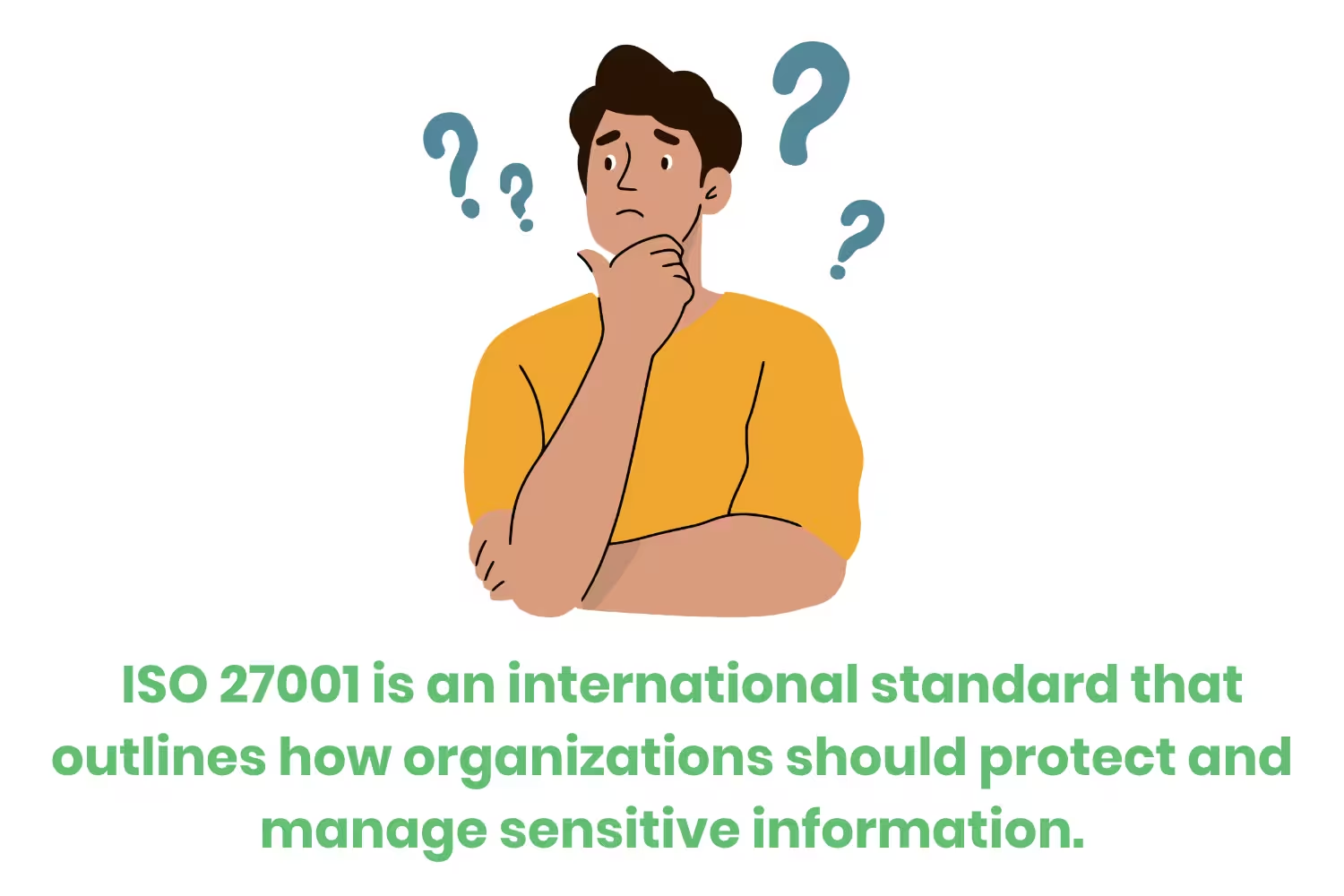
ISO 27001 is an international standard that outlines how organizations should protect and manage sensitive information through a structured information security management system. This creates a structure that includes policies, processes, and controls needed to safeguard private information.
The standard’s goal is to ensure confidentiality, integrity, and availability of information. One of the most important parts of the standard is establishing strong password policies, ensuring effective password controls, specific password requirements, and the management of authentication information.
It is very important that organizations take these policies seriously before breaches happen. Reacting to a breach will bring unnecessary expenses and stress to the organization. This framework helps reduce cybersecurity risks, and builds trust with customers, vendors, and partners as organizations work to achieve ISO 27001 certification. Resulting in a strengthened reputation with the public.
The framework provides a repeatable and ongoing process, this helps organizations continuously look at their security, without overlooking anything that they deem is unnecessary. Cyberthreats will never go away, and unfortunately they will only become more and more common. ISO 27001 compliance provides a strong security framework, including password guidelines, that protects information in a way that can be monitored and measured.
What are the core ISO 27001 password requirements for information security?
ISO 27001 does not have exact requirements for passwords but it has requirements that organizations are set to follow through in their organization. Part of the guidelines are to help ensure complex passwords to help reduce breaches.
Password creation rules to meet ISO 27001 password requirements
To strengthen password complexity and password strength, organizations should follow some basic guidelines that support password creation and reduce security risk.
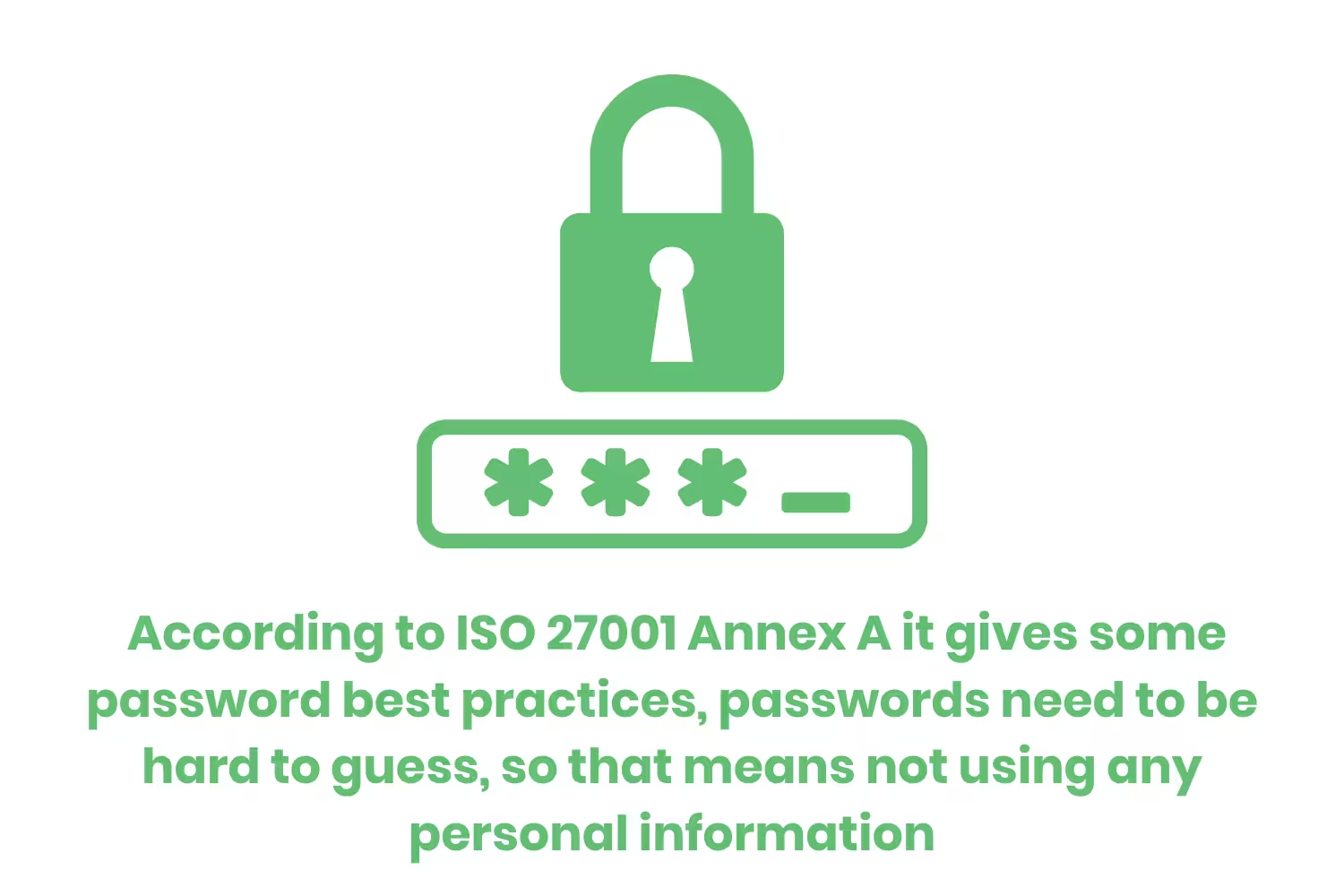
According to ISO 27001 Annex A it gives some password best practices, passwords need to be hard to guess, so that means not using any personal information, or just the word "pas5word" (pro tip: that 5 is not fooling anyone I promise).
Other password habits to avoid are reusing old passwords, utilizing both numbers and special characters, and passwords should have a minimum password length requirement. It should also be possible for employees to change their password when they want, but organizations should enforce mandatory password changes or frequent password changes to prevent situations where a password is compromised.
These password policy best practices can help keep your organizations systems private so it is vital you align your password policy with these guidelines.
What are best practices for password management and use of password managers?
Use of password managers to enforce password security
Tools like password managers are essential because they store passwords securely, support password strength, and reinforce overall password compliance. Without password managers, employees are left to try to remember the passwords, or utilize less secure password storage options.
Besides just storing people's passwords, these systems can automatically generate strong and random passwords, which is why organizations should use password managers to support strong password creation and prevent weak or reused passwords.
Passwords that are generated without any human weakness, are likely trying to make it easy so you can remember it. These security vaults are best known for preventing used passwords being used since all of your passwords are saved to them they can easily identify trends.
How to handle weak password risks, password reset, and authentication information?
Now that you know about the guidelines for passwords, how can your organization handle weak passwords before they create a security risk or require unnecessary password resets. ?
Detecting and mitigating weak password use across the organization
I'm sure we have all been there. We are trying to log into something we need, but we need to reset our password.
When we finally make a new password it says "does not meet password requirements", well this is that organization's way of detecting a weak password and helping mitigate them.
Secure password reset processes and authentication information handling
Your organization should have a defined password reset process that requires your team to reset their passwords, especially when a suspected break or compromise occurred.
This helps ensure that your team isn’t using the same passwords for extended periods, another example of how password policies help reduce risk.
Regular password changes strengthen overall security and make it more difficult for attackers to access systems, even if older credentials were compromised.
Utilizing authentication tools, like password managers and multi-factor authentication, greatly enhances the management of authentication information and prevents access even if a password is compromised.
With authentication tools, even if a bad actor gets your passwords they cannot access the information without that specific code. The most common authentication tool is multi-factor authentication tools or MFA. This is the traditional way people experience authentication tools, a code gets sent to you and you provide that code to the software, proving that you are permitted to be in that system.
Another authentication form is the USB authentication key, these are a physical key you plug into your computer, not allowing entry (even with the password) unless you have the physical key plugged in.
Security awareness and training for good password policy practices
The best prevention method is awareness and training that includes security best practices, guidance on effective password habits, and when to perform password resets unless otherwise directed.
Having password and security awareness training when a new employee starts is the best way to get that information in front of your employees initially.
Except that initial contact is not enough, having annual training sessions to remind employees or update them on any policy changes.

What Are the Benefits of ISO 27001 Compliance?
Now that you understand what ISO 27001's password requirements are, how can your organizations benefit from it?
Improving Organizational Reputation
No consumer wants to utilize an organization that's had a security breach exposing their private information.
If their personal information was exposed, consumers will talk and tell their friends, family, co-workers, news outlets (really anyone who will listen). Once that information hits the public, an organization's reputation can take a major hit.
All it takes is one breach from people saying "oh they are great!" to "oh well all my personal information has been leaked so I would not work with them if I were you...".
By utilizing an ISO 27001 checklist, organizations can ensure there are no breaches, helping your organization stay in your consumers' good graces.
Risk Management and Compliance Automation
When it comes to preventing breaches, ISO 27001 helps organizations spot risks early on before they turn into a much larger problem.
This is where risk management systems come into play, they help identify vulnerabilities that could lead into a serious incident if left unaddressed.
Automation reduces the chance of human error by keeping tools consistent and organized. These automation tools track evidence, documents, and updates so that nothing goes without an update.

Conclusion
Protecting sensitive information is about building a culture of security. ISO 27001 helps organizations rethink exactly how they manage passwords, detect risks, and prevent breaches before they happen.
With the use of strong password policies, automated compliance tools, and employee training, organizations can create security safeguards that will grow with them.
Committing to these best practices, businesses not only avoid breaches but strengthens their reputation and earns the confidence of the people who rely on them the most.
Emphasize your product's unique features or benefits to differentiate it from competitors
In nec dictum adipiscing pharetra enim etiam scelerisque dolor purus ipsum egestas cursus vulputate arcu egestas ut eu sed mollis consectetur mattis pharetra curabitur et maecenas in mattis fames consectetur ipsum quis risus mauris aliquam ornare nisl purus at ipsum nulla accumsan consectetur vestibulum suspendisse aliquam condimentum scelerisque lacinia pellentesque vestibulum condimentum turpis ligula pharetra dictum sapien facilisis sapien at sagittis et cursus congue.
- Pharetra curabitur et maecenas in mattis fames consectetur ipsum quis risus.
- Justo urna nisi auctor consequat consectetur dolor lectus blandit.
- Eget egestas volutpat lacinia vestibulum vitae mattis hendrerit.
- Ornare elit odio tellus orci bibendum dictum id sem congue enim amet diam.
Incorporate statistics or specific numbers to highlight the effectiveness or popularity of your offering
Convallis pellentesque ullamcorper sapien sed tristique fermentum proin amet quam tincidunt feugiat vitae neque quisque odio ut pellentesque ac mauris eget lectus. Pretium arcu turpis lacus sapien sit at eu sapien duis magna nunc nibh nam non ut nibh ultrices ultrices elementum egestas enim nisl sed cursus pellentesque sit dignissim enim euismod sit et convallis sed pelis viverra quam at nisl sit pharetra enim nisl nec vestibulum posuere in volutpat sed blandit neque risus.
Use time-sensitive language to encourage immediate action, such as "Limited Time Offer
Feugiat vitae neque quisque odio ut pellentesque ac mauris eget lectus. Pretium arcu turpis lacus sapien sit at eu sapien duis magna nunc nibh nam non ut nibh ultrices ultrices elementum egestas enim nisl sed cursus pellentesque sit dignissim enim euismod sit et convallis sed pelis viverra quam at nisl sit pharetra enim nisl nec vestibulum posuere in volutpat sed blandit neque risus.
- Pharetra curabitur et maecenas in mattis fames consectetur ipsum quis risus.
- Justo urna nisi auctor consequat consectetur dolor lectus blandit.
- Eget egestas volutpat lacinia vestibulum vitae mattis hendrerit.
- Ornare elit odio tellus orci bibendum dictum id sem congue enim amet diam.
Address customer pain points directly by showing how your product solves their problems
Feugiat vitae neque quisque odio ut pellentesque ac mauris eget lectus. Pretium arcu turpis lacus sapien sit at eu sapien duis magna nunc nibh nam non ut nibh ultrices ultrices elementum egestas enim nisl sed cursus pellentesque sit dignissim enim euismod sit et convallis sed pelis viverra quam at nisl sit pharetra enim nisl nec vestibulum posuere in volutpat sed blandit neque risus.
Vel etiam vel amet aenean eget in habitasse nunc duis tellus sem turpis risus aliquam ac volutpat tellus eu faucibus ullamcorper.
Tailor titles to your ideal customer segment using phrases like "Designed for Busy Professionals
Sed pretium id nibh id sit felis vitae volutpat volutpat adipiscing at sodales neque lectus mi phasellus commodo at elit suspendisse ornare faucibus lectus purus viverra in nec aliquet commodo et sed sed nisi tempor mi pellentesque arcu viverra pretium duis enim vulputate dignissim etiam ultrices vitae neque urna proin nibh diam turpis augue lacus.