
Prior Authorization Denied: How to Address Prior Auth Denials
Learn why prior authorization denials happen, how to appeal denied requests, and practical strategies to reduce denials, prevent care delays, and improve approval rates.

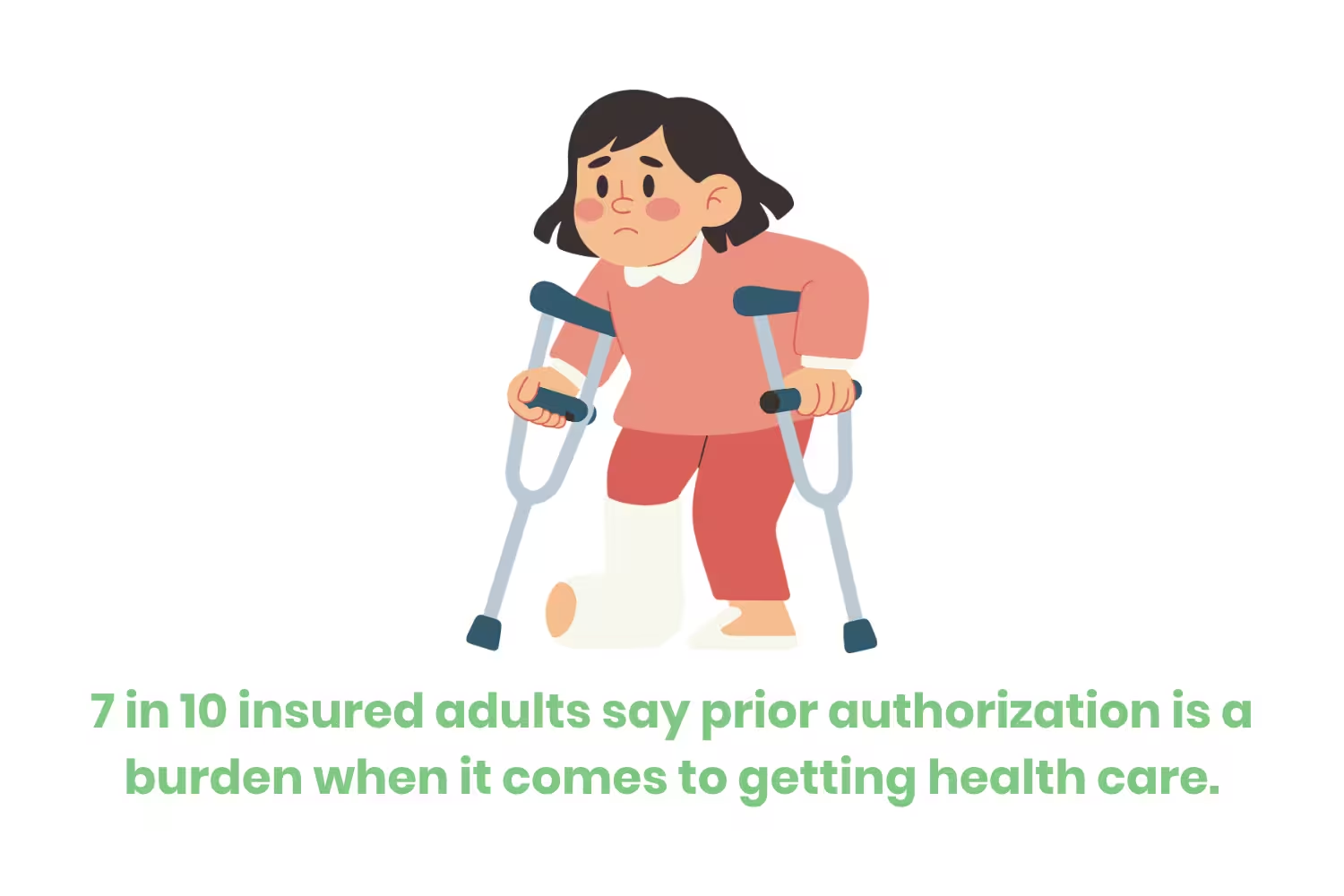
7 in 10 insured adults say prior authorization is a burden when it comes to getting health care.
Prior authorization can create challenges for both patients and providers. When an insurance company requires authorization, a delay or denial can be detrimental.
If you have received a prior authorization denied notice, you’re not alone. Insurance companies use different prior authorization requirements to determine whether they will approve a request. Even a medically necessary service can be denied when required information is missing.
Understanding why insurers deny prior authorization requests can help you respond more effectively. Knowing what to look for in a denial letter is vital. As well as how to correct missing information and when to file an appeal. These things can make the entire claims process easier to manage.
In this blog, we’ll explain what prior authorization is. The most common reasons for an authorization denial and what you can do when faced with one. We’ll also look at how changes to electronic attachments are shaping the bigger picture.
What Is a Prior Authorization Denial?
A prior authorization denial happens when an insurance company won't approve a service before a patient receives it. This also applies to treatments, medications, and procedures. A payer can deny a request when it doesn't meet their specific requirements. You can imagine how annoying it is to keep up with each insurance company's rules.
This form prompts an insurer to check whether they cover a service and it is medically necessary. An insurer may need authorization for treatment before a doctor's office can provide a specific service. Or prescribe a medication, among other important tasks.
A denial doesn't always mean the requested care isn't medically necessary. It may mean the insurer needs more information. It could also mean the request has an error or the provider missed a specific rule.
When a payer denies prior authorization, the provider should identify the reason first. From there, they can submit extra documentation.
If you've gotten a prior authorization denied notice, you're not alone. Providers across every specialty deal with requests that insurers deny, delay, or return. Most physicians say prior authorization causes care delays and adds to office work.
Common Prior Authorization Denial Reasons
Insurance companies use different criteria to decide whether to approve prior authorization requests. Requirements vary by payer, insurance plan, and specific service. As a result, denial rates can vary across insurers, services, and patient populations.
A denial of prior authorization can happen for many reasons. Requests can get denied even when a provider follows the rules closely. Common reasons include the following:
Request Does Not Demonstrate Medical Necessity
An insurer denies a request when the information submitted doesn't establish medical necessity. A payer may also deny a request due to a lack of medical necessity when clinical guidelines don't support the treatment. Or when the treatment could contraindicate with the patient's other conditions or medications.
The provider should clearly explain why the treatment is necessary for the patient. Supporting information can include:
- The patient's medical history.
- Diagnosis.
- Previous treatment.
- Clinical notes.
Required Documentation Is Missing or Incomplete
Incomplete documentation is another common reason for an authorization denial.
Insurers may need specific records before they can make a determination. Missing clinical notes, test results, or other required information can cause a denial.
Before submitting a prior authorization request, the provider's office should double-check all documentation.
Service Does Not Meet the Insurer's Coverage Criteria
Health plans set requirements for the services they cover. An insurer may deny a request when it doesn't meet those requirements.
For example, an insurer may need a patient to try a different treatment first. This might need to be done before approving a specific service. A medication may also face formulary restrictions. The provider should check the patient's insurance and coverage before submitting the request.
Incorrect Patient, Provider, or Procedure Information
A simple error can delay authorization or cause a denial.
The provider's office should verify the patient's ID number. As well as provider information, diagnosis codes, and CPT codes. Incorrect information can stop the payer from processing the request correctly. It can even cause a denial.
Lack of Prior Authorization
Some insurance companies require prior authorization before a provider can perform a service. If the provider doesn't get authorization first, the claim can face a lack of prior authorization denial. In these cases, the insurer may not authorize payment for the service.
Prior authorization is not a guarantee of payment, either. Even when a prior auth goes through, the claim must still meet the plan's requirements as a regular claim. Denials after prior authorization approval can still happen. Especially if the claim doesn't match what the payer approved.
Request Submitted Too Late
Some insurers need providers to submit prior auth requests before a specific service. Or within a set timeframe.
Submitting a request too late can cause a denial or delay. Providers should understand each payer's requirements. Allowing enough time for the insurer to review the request.
Requested Service Not Covered
An insurer denies a request when it doesn't qualify for coverage under the patient's plan.
The provider should verify benefits and review plan documents. Doing so before assuming a service will get approval can help you avoid a delay or denial.
Insurer Requires Additional Information
Sometimes an insurer can't make a determination from the information it first received. The payer may request more documentation before it approves or denies the request.
Responding quickly helps prevent unnecessary care delays. The provider's office should review what information the insurer needs. Then respond within the required timeframe.
What to Do When a Prior Authorization Gets Denied
A prior authorization denied notice doesn't always end the process. Providers have several options to address the denial and pursue approval. Understanding the denial reason helps the provider's office pick the best next step.
1. Review the Denial Letter
Start by reviewing the denial letter from the insurance company. When a payer denies a prior auth request, the letter explains why the payer didn't approve the service. It also walks through what the provider can do next.
The letter should explain the denial reason and outline next steps.
Look for:
- The reason for the denial.
- The specific service denied.
- Documentation the insurer needs.
- Appeal instructions.
- Submission deadlines.
- Contact information for the payer.
Understanding why the payer denied the authorization helps you pick the best response. For payers covered by CMS-0057-F, they must give a specific reason for a denied request. Review that reason carefully. Then decide whether to correct and resubmit the request, or appeal the denial.
2. Identify What Information Is Missing
Compare the insurer's requirements with the information you submitted with the original request. Look for missing clinical notes, test results, medical history, or other documentation. If the insurer questions medical necessity, check the existing records. They should clearly explain why the patient needs the treatment.
Documentation is your strongest defense when insurers question whether a service is necessary.
3. Correct the Issue and Resubmit the Prior Authorization
If missing information or an administrative error caused the denial, correct the issue. Then resubmit the request.
Verify the important patient information before resubmitting. CPT codes, diagnosis codes, clinical documentation, and any other payer-specific requirements.
Corrected prior authorization requests can win approval when the original request failed to.
4. Request a Peer-to-Peer Review
A peer-to-peer review lets the provider discuss the case with the insurance company. Specifically, with their medical director or another reviewing clinician.
This option helps when the denial involves medical necessity. Or the insurer disagrees that the requested service meets its clinical criteria.

The provider should review the case and prepare to explain the patient's history. Including their medical history, treatment needs, and clinical reasoning.
5. Submit an Appeal for Approval
If the provider believes the insurer made the wrong call, they can file an appeal. This asks for reconsideration of the denial. The appeal should directly address the denial reason. It should also explain why the requested service is medically necessary.
Depending on the plan and state requirements, the provider may have a specific number of business days to submit the appeal. Many states have laws that ask insurers to respond to a first-level appeal within about 15 days. Though timelines vary by plan. State insurance departments often set these response windows.
Review the plan documents carefully. Don't be afraid to appeal the denial if you believe the decision was wrong.
How CMS-0057-F and CMS-0053-F Affect Prior Authorization and Claims
The AMA has closely tracked the push to improve the claim submission procedure. Two recent CMS final rules address different parts of this process. CMS-0057-F focuses on interoperability and prior authorization. While CMS-0053-F sets standards for health care claims attachments.
Understanding the difference matters. The two rules do address related documentation and data exchange challenges. However, CMS-0053-F does not set standards for prior authorization attachments.
What Is CMS-0057-F?
The CMS Interoperability and Prior Authorization Final Rule (CMS-0057-F) released on January 17, 2024.
It aims to improve the health information exchange during the prior authorization process. It also prioritizes reducing administrative burden. CMS-0057-F requires certain affected payers to improve how they handle prior authorization requests.
CMS-0057-F includes requirements related to:
- Prior authorization decision timeframes.
- Specific reasons for prior authorization denials.
- Prior authorization information available through APIs.
- Provider access to patient information.
- Payer-to-payer data exchange.
- Electronic prior authorization processes.
CMS-0057-F Requires Specific Denial Reasons
Impacted payers must now give a specific reason when they deny a prior authorization.
Beginning in 2026, affected payers must give a specific denial reason. No matter how the provider submitted the request. This information offers a new clarity. Helping providers decide whether to resubmit it or file an appeal.
This makes the denial letter an important resource when addressing a denial. CMS-0057-F also sets decision timeframes for payers. For applicable services, payers generally must respond within 72 hours for expedited requests. 7 calendar days for standard requests.
What Is CMS-0053-F?
The Administrative Simplification; Adoption of Standards for Health Care Claims Attachments Transactions and Electronic Signatures Final Rule (CMS-0053-F) addresses a different part of the revenue cycle.
This final rule sets standards for electronic health care claim attachments. These attachments provide extra documentation that supports a claim. Such as medical records, clinical notes, imaging, telemedicine documentation, and laboratory results.
Importantly, the final rule does not set standards for prior authorization attachments.
CMS excluded prior authorization attachments from the final rule. This happened after stakeholders raised concerns about potential conflicts with the existing X12N 278 prior authorization transaction and CMS-0057-F. For now, HHS will continue evaluating alternative standards for prior authorization attachments.
Both rules support CMS's broader goal of reducing administrative burden. They just address different transactions.
How to Reduce Prior Auth Denials
You can't prevent every prior auth denial. They can be frustrating, but your team can build a clear process to reduce avoidable ones. A doctor's office can cut avoidable denials by building a consistent process. One that prioritizes checking for requirements, submitting correct documentation, and tracking requests.
Some states have adopted "gold card" laws. These exempt providers with high approval rates from certain prior authorization requirements. Providers who consistently meet certain approval thresholds may qualify. This can speed up PA approval and reduce administrative work. For now, here are some of the top recommendations
- Know Which Services Require Prior Authorization. Not every service needs authorization. Insurers use different criteria, so requirements vary by insurer and insurance plan. Verify authorization requirements before you provide a service. Note that emergency care usually doesn't require prior authorization. Though providers should confirm this with each payer.
- Submit Complete Documentation. Review the request before you submit it. Make sure the required documentation is accurate and complete.
- Establish Clear Authorization Workflows. Create a consistent prior authorization process for the provider's office. Assign responsibility for submitting requests, tracking determinations, and responding to payer requests.
- Track Authorization Status. Keep track of submitted requests, pending determinations, approvals, and denials. Even after an insurer approves a prior authorization. Keep tracking it through the claims process. Remember, authorization is not a guarantee of payment.
- Monitor Payer Requirements. Insurance companies change their requirements over time. Regularly review payer policies, formularies, and authorization requirements. Make sure your office follows current guidelines.
Improve Your Prior Authorization Approval Rate
Lack of a consistent prior authorization process can create billing issues. At Etactics, we've helped many clients clean up their internal operations to know this firsthand.
When staff miss authorization requirements, providers face more denials. This creates extra administrative work and care delays. Staff may also spend extra time contacting insurers, gathering documentation, and appealing decisions.
Prior authorizations can get complicated. But practices don't have to manage the process alone. An automated system can help you stay on top of your workload. Etactics offers strong revenue cycle services that help providers build robust workflows. Helping organizations protect their financial health while keeping staff focused on patient care.
Emphasize your product's unique features or benefits to differentiate it from competitors
In nec dictum adipiscing pharetra enim etiam scelerisque dolor purus ipsum egestas cursus vulputate arcu egestas ut eu sed mollis consectetur mattis pharetra curabitur et maecenas in mattis fames consectetur ipsum quis risus mauris aliquam ornare nisl purus at ipsum nulla accumsan consectetur vestibulum suspendisse aliquam condimentum scelerisque lacinia pellentesque vestibulum condimentum turpis ligula pharetra dictum sapien facilisis sapien at sagittis et cursus congue.
- Pharetra curabitur et maecenas in mattis fames consectetur ipsum quis risus.
- Justo urna nisi auctor consequat consectetur dolor lectus blandit.
- Eget egestas volutpat lacinia vestibulum vitae mattis hendrerit.
- Ornare elit odio tellus orci bibendum dictum id sem congue enim amet diam.
Incorporate statistics or specific numbers to highlight the effectiveness or popularity of your offering
Convallis pellentesque ullamcorper sapien sed tristique fermentum proin amet quam tincidunt feugiat vitae neque quisque odio ut pellentesque ac mauris eget lectus. Pretium arcu turpis lacus sapien sit at eu sapien duis magna nunc nibh nam non ut nibh ultrices ultrices elementum egestas enim nisl sed cursus pellentesque sit dignissim enim euismod sit et convallis sed pelis viverra quam at nisl sit pharetra enim nisl nec vestibulum posuere in volutpat sed blandit neque risus.
Use time-sensitive language to encourage immediate action, such as "Limited Time Offer
Feugiat vitae neque quisque odio ut pellentesque ac mauris eget lectus. Pretium arcu turpis lacus sapien sit at eu sapien duis magna nunc nibh nam non ut nibh ultrices ultrices elementum egestas enim nisl sed cursus pellentesque sit dignissim enim euismod sit et convallis sed pelis viverra quam at nisl sit pharetra enim nisl nec vestibulum posuere in volutpat sed blandit neque risus.
- Pharetra curabitur et maecenas in mattis fames consectetur ipsum quis risus.
- Justo urna nisi auctor consequat consectetur dolor lectus blandit.
- Eget egestas volutpat lacinia vestibulum vitae mattis hendrerit.
- Ornare elit odio tellus orci bibendum dictum id sem congue enim amet diam.
Address customer pain points directly by showing how your product solves their problems
Feugiat vitae neque quisque odio ut pellentesque ac mauris eget lectus. Pretium arcu turpis lacus sapien sit at eu sapien duis magna nunc nibh nam non ut nibh ultrices ultrices elementum egestas enim nisl sed cursus pellentesque sit dignissim enim euismod sit et convallis sed pelis viverra quam at nisl sit pharetra enim nisl nec vestibulum posuere in volutpat sed blandit neque risus.
Vel etiam vel amet aenean eget in habitasse nunc duis tellus sem turpis risus aliquam ac volutpat tellus eu faucibus ullamcorper.
Tailor titles to your ideal customer segment using phrases like "Designed for Busy Professionals
Sed pretium id nibh id sit felis vitae volutpat volutpat adipiscing at sodales neque lectus mi phasellus commodo at elit suspendisse ornare faucibus lectus purus viverra in nec aliquet commodo et sed sed nisi tempor mi pellentesque arcu viverra pretium duis enim vulputate dignissim etiam ultrices vitae neque urna proin nibh diam turpis augue lacus.
![[ANSWERED] What is Remittance Advice?](https://cdn.prod.website-files.com/67e2b8210878abcba6f91ae6/68ad19f87745c45a4b95d86d_WhatisRemittanceAdvice_524.avif)
![[ANSWERED] What is a Payer Agreement?](https://cdn.prod.website-files.com/67e2b8210878abcba6f91ae6/68ad179bb80b12583f80fb88_WhatisaPayerAgreement_424.avif)